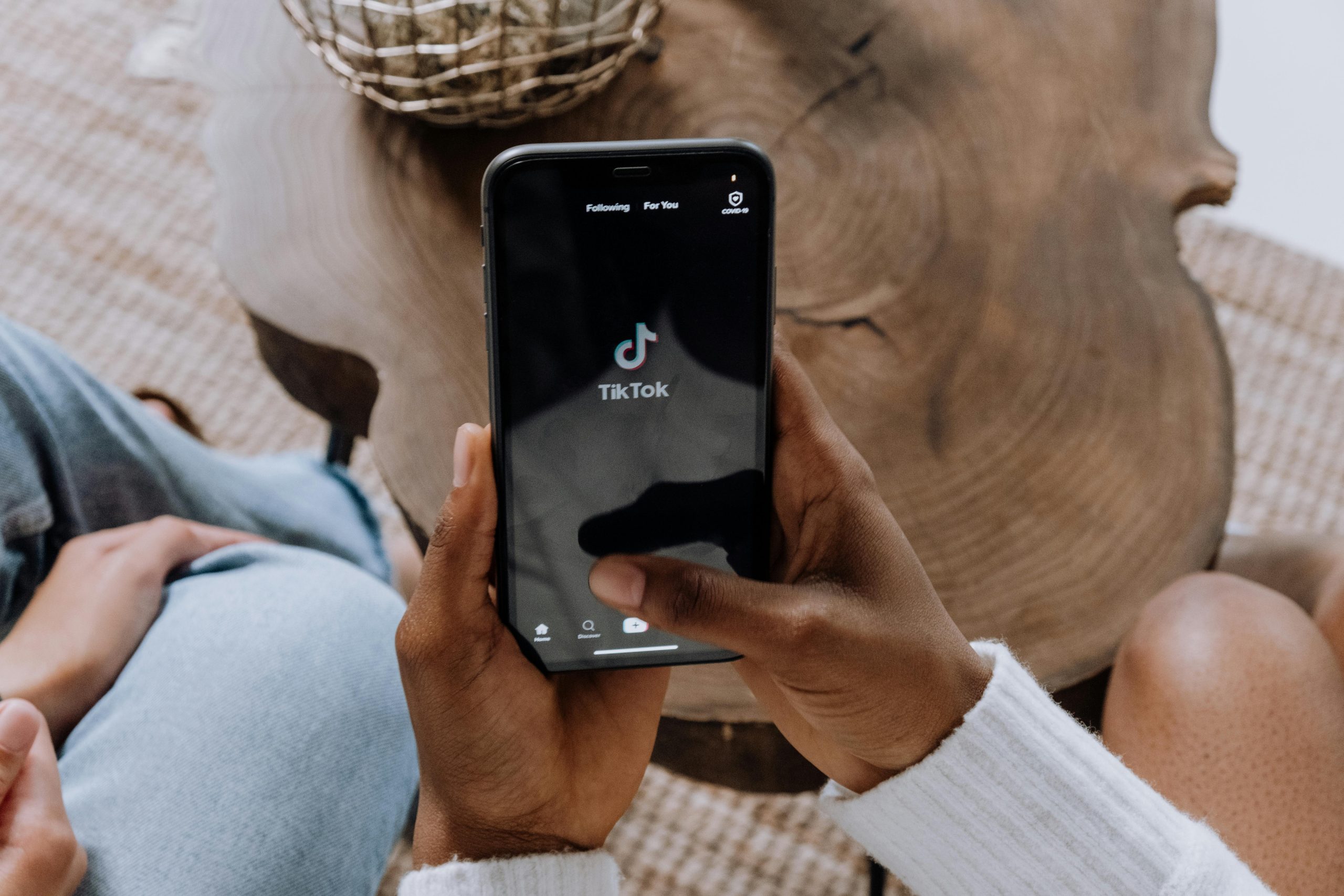
TikTok Goes Dark for U.S. Users as Law Banning Platform Takes Effect
In a shocking turn of events, TikTok—the vibrant video-sharing platform that enchanted millions of American users with its catchy dances and viral challenges—has officially been kicked to the curb. As the digital lights dim on this once-beloved app, a wave of emotional unrest sweeps through a community that thrived on connection, creativity, and shared laughter. But how did we reach this point, and what does this mean for the ever-evolving landscape of social media?
Tracing the Steps: From Popularity to Pariah
The saga of TikTok’s demise in America isn’t just a tale of a social media app falling out of favor; it’s part of a larger narrative woven with threads of geopolitical strife and national security alarms. Who could forget when TikTok surged to prominence, transforming countless ordinary users into overnight sensations? But lurking behind the scenes were worries about its ownership by Chinese tech giant ByteDance. It was a ticking time bomb, and all it took was a few sparks—like data privacy debates and scrutiny from Capitol Hill—to ignite the fuse.
When lawmakers finally shoved the big red button to ban TikTok, it ratified long-held suspicions about foreign influence and potential risks lurking within the app’s coding. Let’s be honest—data collection has become a buzzword that resonates everywhere these days. Was this decisive action genuinely a protective move for Americans, or were there other motives tangentially hidden in the shadows?
A Day in the Life: Users and Creators React
Imagine waking up, rubbing your eyes, scrolling through your feed, and—whoosh!—your main creative outlet is gone. Meet Rachel, a small-town creator whose craft of environmentally-friendly DIY projects transformed from a hobby into a full-blown business, complete with sponsorship deals and a loyal following that outnumbers her hometown! For Rachel and millions like her, TikTok wasn’t just a platform; it was a lifeline. Gone are those effortlessly humorous videos with trending sounds and spontaneous collaborations. What happens in a world where TikTok is suddenly just a memory and a cautionary tale?
Now, Rachel is left pondering her next steps. Does she scramble over to Instagram Reels and hope her audience finds her there? Or does she take a dive into the vast sea of YouTube Shorts? Each choice comes wrapped in uncertainty, and one can’t help but wonder: how do you pivot from the relative ease of viral TikTok success to rebuilding an audience on an entirely different platform?
Opportunities Amidst Uncertainty: The Business Perspective
For the business world, this TikTok ban is a curious cocktail of chaos and opportunity. Sure, it snuffs out a powerful advertising avenue overnight, making marketing teams clench their jaw in anxiety. But wait—could it also be a chance for innovative platforms to rise from the ashes? As companies brainstorm their next strategies, the outlook might be less bleak than it initially seems. What if this moment propels investment into new, AI-driven content platforms that champion user privacy without sacrificing engagement?
Imagine a world where businesses can amplify their stories and messages across multiple avenues, untethered from the whims of a single platform. It’s a salient reminder that the digital landscape is fragile and constantly in flux, and companies must learn to be nimble or risk being left behind. With the TikTok chapter closed, the question remains: How can brands shape their digital destinies moving forward?
A Global Perspective: The Ripple Effects
Beyond the American borders, the reverberations of TikTok’s ban are impossible to ignore. Countries around the globe are watching with bated breath, teetering on the brink of their own decisions about the coexistence of digital freedom and national security concerns. Will this lead to a domino effect, prompting other nations to reevaluate their data policies? What about the global conversation surrounding cultural exchange—how do we maintain those youth connections when platforms like TikTok no longer serve as conduits for collaboration?
It’s compelling to consider that in an era when we could virtually connect with anyone across the globe, we might find ourselves stuck in our lanes due to regional restrictions. The question lingers: Can new platforms emerge to fill this gap, or will we witness a paradigm shift in how cultural exchanges occur in the digital domain?
Conclusion: Navigating the Future of Digital Engagement
As we step away from the ashes of TikTok’s abrupt exit, one thing is clear: this isn’t just a story of loss; it’s a pivotal moment that highlights the intricate relationship between technology, policymaking, and human connection. For businesses and creators alike, the road ahead will require not just adaptability but a visionary approach to the future.
In this brave new world, companies need to navigate the delicate balance between using data responsibly and respecting user privacy. It’s a tightrope walk, but those who can embrace both ethical practices and innovative technologies are bound to thrive. After all, the lesson from the TikTok saga is that every setback offers an opportunity in disguise—and it’s how we respond that will define our digital future.
So here’s to the creators, the entrepreneurs, and the dreamers. While the TikTok blackout might feel like a dimming of the lights, it should serve as a catalyst for a new wave of creativity—much like the phoenix that rises from its ashes, transformed and more vibrant than ever.
About the Author