The Unstoppable Journey: NASA’s Latest Mission to the Moon
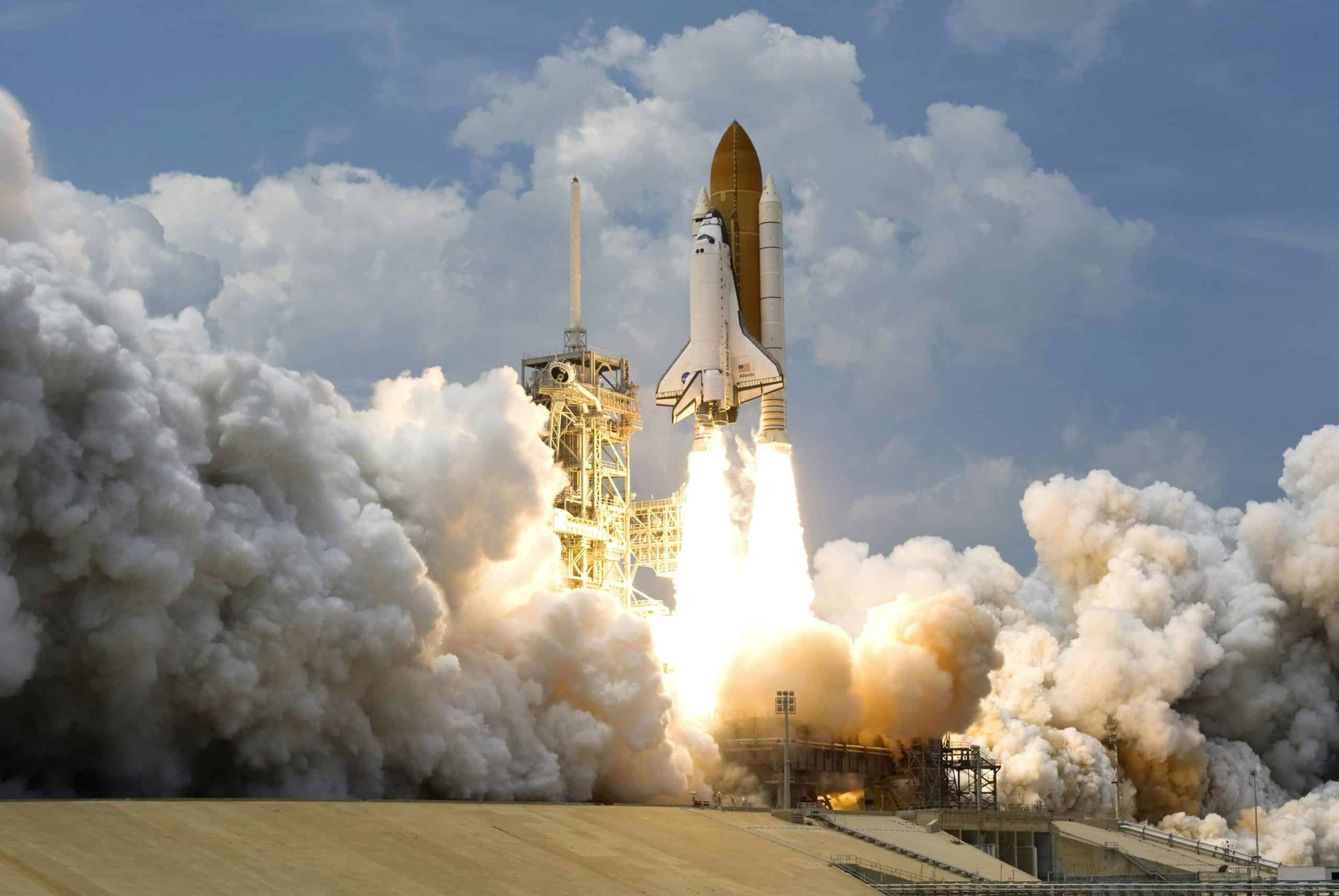
Creating a golden streak against the inky backdrop of the early morning sky, a SpaceX Falcon 9 rocket took flight from Launch Complex 39A at NASA’s Kennedy Space Center in Florida on Wednesday, January 15, 2025. It’s hard not to feel a shiver of excitement at witnessing such a historic event, one that signifies a pivotal moment in NASA’s Commercial Lunar Payload Services (CLPS) initiative. This is not just another rocket launch; it’s the latest step in a grand journey to the Moon—a celestial body that has ignited human imaginations for centuries. The Blue Ghost lander, carried aloft by the Falcon 9, is charged with delivering ten innovative NASA science and technology instruments to the Moon, setting the stage for unlocking its long-held secrets and paving the way for humanity’s next audacious leap.
This mission is about so much more than just the launch and landing; it embodies the relentless spirit of exploration that fuels the Artemis campaign. This strategy is NASA’s bold roadmap for returning humans to both the Moon and Mars, fueled by science and the quest for knowledge. It might sound lofty, perhaps even audacious, but it’s all part of a carefully crafted plan to ensure that our efforts in space are sustainable and long-lasting. Just imagine: a future where human presence on the Moon is as routine as a weekend trip to the park!
Unpacking the Tech: Instruments Aboard the Blue Ghost
Once it touches down, the Blue Ghost lander will reveal an impressive suite of scientific instruments and technology experiments. Each of these meticulously designed tools is a testament to the marriage of innovative science and cutting-edge technology, showcasing just how far we’ve come—from the days of lunar landings powered by slide rules to today’s sophisticated payloads.
Among the standout components is the Lunar Instrumentation for Subsurface Thermal Exploration with Rapidity (LISTER). Developed by the bright minds at Texas Tech University, LISTER aims to dig into the Moon’s internal heat flow. It does this galactic sleuthing through advanced pneumatic drilling and thermal gradient measurements, helping scientists reconstruct the Moon’s enigmatic past. Who wouldn’t want to unlock the secrets of a celestial neighbor that’s been watching us for eons?
Then there’s the Lunar PlanetVac (LPV), a clever innovation from Honeybee Robotics. Think of it as a futuristic vacuum cleaner—only instead of crumbs, it’s busy collecting and analyzing lunar soil samples using bursts of compressed gas. This unique take not only promises precision but could also shed light on how we might utilize the Moon’s resources to support human life in the harsh vacuum of space. It’s fascinating, isn’t it? A clever tool that could one day make the difference between thriving and merely surviving on another world.
The Next Generation Lunar Retroreflector (NGLR) from the University of Maryland will serve as a beacon for Earth-based lasers, making precise measurements between our planet and the Moon. What kind of cosmic discoveries might we uncover with this data? We’re talking about enhancing our understanding of lunar geology—an adventure into the Moon’s core mysteries that could redefine our approach to planetary processes.
Bracing for Lunar Conditions: Overcoming Challenges
Now, let’s not sugarcoat things; lunar exploration comes with its fair share of challenges. Chiefly among them is the notorious lunar dust, or regolith, which has a reputation for being as clingy as an overly attached friend. Managing its abrasive impact is crucial for the success of future missions. To tackle this pesky issue, NASA has equipped the Blue Ghost with two key innovations: the Regolith Adherence Characterization (RAC) and the Electrodynamic Dust Shield (EDS).
The RAC experiment is set to monitor how dust settles on various surfaces—think solar panels and sensors—while testing materials designed to combat this clingy phenomenon. Understanding the stickiness of lunar dust is essential for keeping our future lunar habitats and vehicles in tip-top shape. After all, nobody wants their rover stuck in a dust storm, right?
Alongside this, the EDS will use electric fields to repel dust, actively pushing particles off surfaces without any moving parts. What a brilliant solution! This technology holds the key to the long-term operation of expensive lunar assets, like habitats that we hope will one day flourish under the Moon’s silver glow.
Establishing New Pathways: Scientific Experiments and Technological Frontiers
Naturally, tackling earthly challenges is only part of the equation. NASA’s ambitions stretch far beyond—into broader scientific frontiers. The Lunar Environment Heliospheric X-ray Imager (LEXI) is on a mission to observe the Moon’s interaction with solar winds, potentially offering critical insights into how cosmic forces influence our own planet’s weather systems. Isn’t it incredible to think about how interconnected everything in the universe really is?
Joining LEXI on this scientific odyssey is the Lunar Magnetotelluric Sounder (LMS). This clever instrument aims to delve into the Moon’s internal structure by evaluating electric and magnetic fields. Its findings could hold the key to understanding the Moon’s hot history—an insight we desperately need for future explorations beyond our planet.
Even the navigation game is getting a refreshing makeover thanks to the Lunar GNSS Receiver Experiment (LuGRE), which seeks to track Global Navigation Satellite Systems signals on the Moon. Imagine a future where spacecraft can autonomously pinpoint their exact location on the lunar surface! Talk about revolutionary! We’re not just exploring the Moon; we’re redefining what it means to navigate in space.
The Dawn of a New Lunar Era: Preparing for Artemis Astronauts
With the Firefly Blue Ghost lander targeting a landing near the intriguing Mons Latreille within Mare Crisium, we find ourselves on the cusp of a fresh chapter in lunar exploration. Kudos to the talented teams at NASA, SpaceX, and Firefly Aerospace for merging ambition with action, as they propel us toward a sustained human presence on the Moon and beyond.
NASA’s top brass are keenly aware of the scientific bounties awaiting discovery. Nicola Fox, Associate Administrator of NASA’s Science Mission Directorate, reminds us how the legacies of the Apollo missions continue to guide our current journey—a thoughtful nod to the past as we prioritize the safety and well-being of future explorers.
The excitement surrounding the delivery of ten payloads marks a significant leap forward, eclipsing previous milestones in the CLPS initiative. This historic payload delivery showcases American innovation at its very finest, as it launches us into the next chapter of exploration—not just on the Moon, but on the road to Mars, armed with knowledge gleaned from lunar investigations that will benefit life here on Earth.
The Path Forward: Lunar Exploration and Earthly Advancement
In essence, this mission transcends the simple act of reaching the Moon; it’s about shaping a future where lunar exploration illuminates the uncharted territories of space and time. As we eagerly await the Blue Ghost’s scheduled lunar landing on March 2, 2025, we are filled with hope and anticipation for what lies ahead—a future that holds the potential for tremendous advancements.
This journey epitomizes our unyielding quest for knowledge and innovation, crafting a vivid portrait of humanity’s aspirations. While we set our sights on Mars as our ultimate destination, the Moon remains our first stepping stone—a bastion of past secrets and a cradle nurturing humanity’s grand cosmic dreams.
About the Author